Procurement Resource, a trusted leader in procurement intelligence and industrial market research, is proud to release its latest Benzyl Nitrile Production Cost Report. This all-inclusive guide provides vital insights into the production economics, raw material requirements, technological parameters, and market dynamics associated with Benzyl Nitrile manufacturing.
Whether you are an investor, entrepreneur, or manufacturer planning to enter or expand in the specialty chemicals sector, this report serves as an indispensable tool for strategic decision-making.
Benzyl Nitrile: A Crucial Intermediate in Organic Chemistry
Benzyl Nitrile (C₆H₅CH₂CN), also known as phenylacetonitrile, is a colorless to pale-yellow liquid with a mild aromatic odor. It is a nitrile derivative of toluene and is primarily used as:
An intermediate in the synthesis of pharmaceuticals
A precursor for fragrances and agrochemicals
A building block in organic synthesis, including the preparation of amino acids, amines, and other fine chemicals
Due to its importance in specialty chemical manufacturing, Benzyl Nitrile continues to witness strong industrial demand across pharmaceuticals, perfumery, and agrochemical segments.
Benzyl Nitrile Production Cost Report: A Strategic Overview
Procurement Resource’s Benzyl Nitrile Production Cost Report offers an in-depth look at:
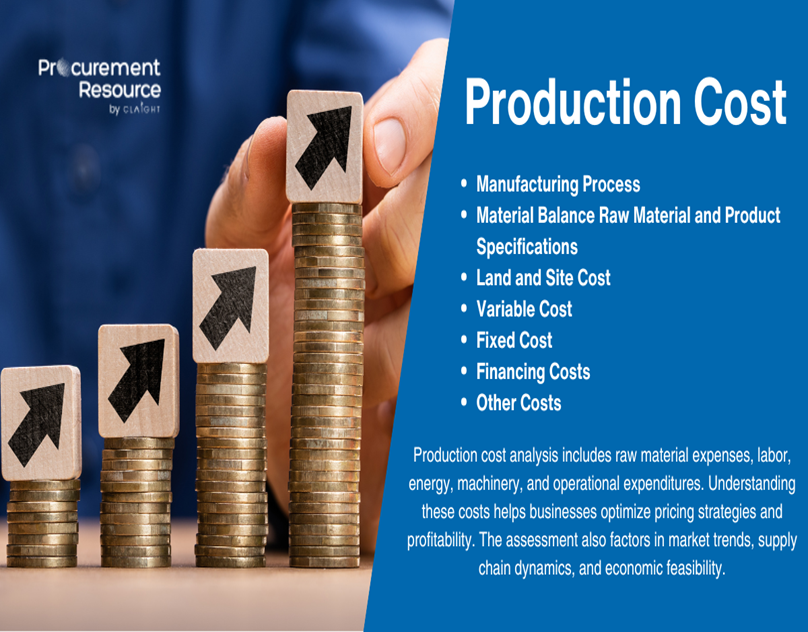
End-to-end production cost structure
Raw material sourcing and pricing dynamics
Manufacturing process technologies
Equipment and utility requirements
Market pricing and regional demand forecasts
Financial feasibility and profitability assessments
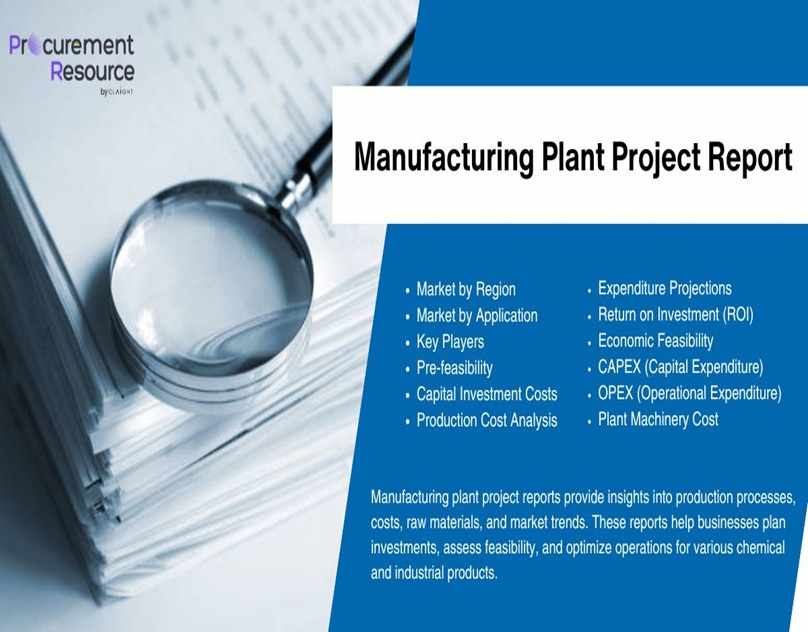
This report empowers businesses with the technical and economic intelligence needed to build or optimize Benzyl Nitrile production capabilities.
Market Outlook and Regional Trends
Benzyl Nitrile enjoys strong demand in regions with thriving chemical, pharmaceutical, and agrochemical industries. The report highlights:
Asia-Pacific: Led by China and India, this region remains the largest Benzyl Nitrile producer and consumer, driven by cost-efficient manufacturing and export demand.
North America and Europe: Demand is driven by pharmaceutical synthesis and fragrance formulation, with a growing shift toward sustainable production processes.
Emerging Markets: Latin America and the Middle East are increasingly adopting niche specialty chemical production, opening new investment avenues.
The report analyzes demand across key industries, tracks price volatility, and evaluates supply-demand balances over the short and long term.
Raw Material and Feedstock Analysis
The primary raw materials used in Benzyl Nitrile production are:
Benzyl chloride
Sodium cyanide (NaCN) or potassium cyanide (KCN)
Solvents such as water or toluene
Phase-transfer catalysts (depending on the method)
Acid or base for work-up
The production process typically involves nucleophilic substitution, where cyanide ion reacts with benzyl chloride to form Benzyl Nitrile.
The report provides a detailed analysis of:
Global availability and pricing trends of benzyl chloride and cyanide compounds
Hazard and handling considerations for toxic reagents
Supply chain risks and procurement strategies for feedstocks
Sustainability Considerations and Regulatory Trends
Due to the use of cyanide-based reagents, Benzyl Nitrile production involves significant environmental and safety considerations. The report addresses:
Cyanide waste management and neutralization technologies
Compliance with REACH, OSHA, and EPA regulations
Best practices for safe storage and handling of toxic intermediates
Regulatory incentives for greener cyanation alternatives
Emerging trends include research into biocatalytic nitrile synthesis, electrosynthesis, and less hazardous cyanide substitutes, all of which have the potential to reshape the cost structure and sustainability profile.
Process Overview
Common Production Method: Cyanation of Benzyl Chloride
The most widely used method for producing Benzyl Nitrile involves:
Reactants: Benzyl chloride is treated with an alkali metal cyanide (NaCN or KCN) in an aqueous or organic solvent medium.
Reaction Conditions: The reaction is typically conducted at elevated temperatures (80–120°C) and may employ a phase-transfer catalyst to increase yield.
Work-Up: The organic layer containing Benzyl Nitrile is separated, washed, and purified through distillation.
The report includes a complete process flow diagram, material balances, and expected yield efficiencies based on plant capacity and technology type.
Technology and Equipment Requirements
Benzyl Nitrile production requires specialized equipment due to the handling of toxic and corrosive materials. Key plant machinery includes:
Chemical reactors (glass-lined or stainless steel)
Scrubbers and neutralization tanks
Distillation units
Cooling systems
Storage tanks for hazardous feedstocks
Effluent treatment systems
Depending on production scale, the report breaks down manual, semi-automated, and fully automated setup options, with cost implications and plant layout recommendations.
Infrastructure and Utility Needs
A production facility for Benzyl Nitrile requires:
Land for construction and chemical storage zones
Reliable supply of electricity, water, and compressed air
Effluent treatment and gas scrubber systems
Fire safety and emergency response installations
Proximity to chemical supply hubs and transportation infrastructure
The report details utility consumption rates and associated costs per ton of product, helping businesses optimize operating budgets.
Labor and Human Resource Requirements
Benzyl Nitrile production involves technical complexity and regulatory compliance, requiring a skilled workforce. Typical roles include:
Process engineers and operators
Hazardous material safety officers
Chemists for quality control and R&D
Maintenance technicians
Compliance and EHS personnel
Labor costs by geography, training requirements, and team sizing for different capacities are included in the report for planning accuracy.
Quality Control and Compliance
As Benzyl Nitrile is used in pharmaceutical and fragrance intermediates, strict quality parameters apply. The report outlines:
Purity specifications (typically ≥99%)
Analytical methods using GC, GC-MS, and IR spectroscopy
Packaging and labeling norms
Compliance with international transport and safety codes (e.g., UN number, MSDS documentation)
The report also highlights GMP compliance if used in pharmaceutical applications.
Financial and Economic Assessment
Capital Investment Analysis
Initial capital expenditure includes:
Land and construction
Equipment and installation
Licensing, permits, and certifications
Initial inventory and working capital
The report provides cost models for small, medium, and large-scale plants, helping investors align with their budgetary goals.
Operating Cost Breakdown
Recurring costs include:
Raw material procurement
Energy and utility consumption
Labor and training
Maintenance and safety protocols
Effluent and emissions treatment
The report presents cost per kilogram analysis, regional operating cost comparisons, and sensitivity analysis based on feedstock pricing.
Profitability, ROI & Break-Even Analysis
The report evaluates:
Gross and net margins based on current and projected Benzyl Nitrile pricing
ROI across multiple investment scenarios
Break-even volume and expected payback period
Market entry risks and mitigation strategies
Emerging Opportunities and Industry Trends
Future growth in Benzyl Nitrile production is driven by:
Expanding API (Active Pharmaceutical Ingredient) manufacturing
Demand for natural aroma chemicals in fragrance formulations
Research into low-toxicity cyanation routes
Interest in continuous flow synthesis for enhanced safety and efficiency
Governments and corporations are exploring safer and sustainable manufacturing innovations in nitrile chemistry, offering scope for R&D investments.
Why Partner with Procurement Resource?
Procurement Resource delivers reliable, actionable, and forward-looking intelligence that enables smart decision-making across industries. With deep expertise in chemical process modeling and procurement benchmarking, we offer:
End-to-end production cost analysis
Market research tailored to your business goals
Raw material sourcing strategies and price forecasting
Real-time procurement intelligence tools
Whether you’re launching a new plant or optimizing an existing operation, our insights help reduce costs, mitigate risks, and enhance margins.
Get Your Free Sample Report Today
Explore the full production cost dynamics and strategic insights with our Benzyl Nitrile Production Cost Report. Whether you’re planning a greenfield project or expanding capacity, our report will equip you with the tools to succeed.
Request a Free Sample Report Here: https://www.procurementresource.com/production-cost-report-store/benzyl-nitrile/request-sample
Contact Information
Company Name: Procurement Resource
Contact Person: Ashish Sharma (Sales Representative)
Email: sales@procurementresource.com
Location: 30 North Gould Street, Sheridan, WY 82801, USA
Phone:
UK: +44 7537171117
USA: +1 307 363 1045
Asia-Pacific (APAC): +91 1203185500

Write a comment ...